
The First Year of Owning a Home in Dubai: What to Change and What to Leave
Buyers who renovate a Dubai home within weeks of taking the keys change the wrong things. A house reveals its problems seasonally, and Dubai’s seasons are severe enough that a decision made in February looks different in August. The most useful first-year strategy separates the changes that must happen immediately from the changes that need a full climatic cycle of evidence.
Three categories decide what happens in year one
Every proposed change to a newly bought Dubai home belongs to one of three categories: irreversible works that must precede occupation, seasonal decisions that require twelve months of observation, and reversible purchases that can happen at any time. Sorting a wish list into the three categories before spending removes most first-year waste.
| Category | Examples | Timing | Reason |
|---|---|---|---|
| Do before moving in | Waterproofing, drainage, electrical rewiring, structural openings, floor replacement | Weeks 1 to 12 | Each requires an empty house and destroys finishes if done later |
| Wait a full year | Shading, glazing film, window treatment, cooling capacity, garden planting, outdoor use | Month 13 onward | Performance varies by season and cannot be judged in one quarter |
| Do whenever ready | Furniture, rugs, lighting fittings, art, accessories | Any time | Fully reversible and resaleable |
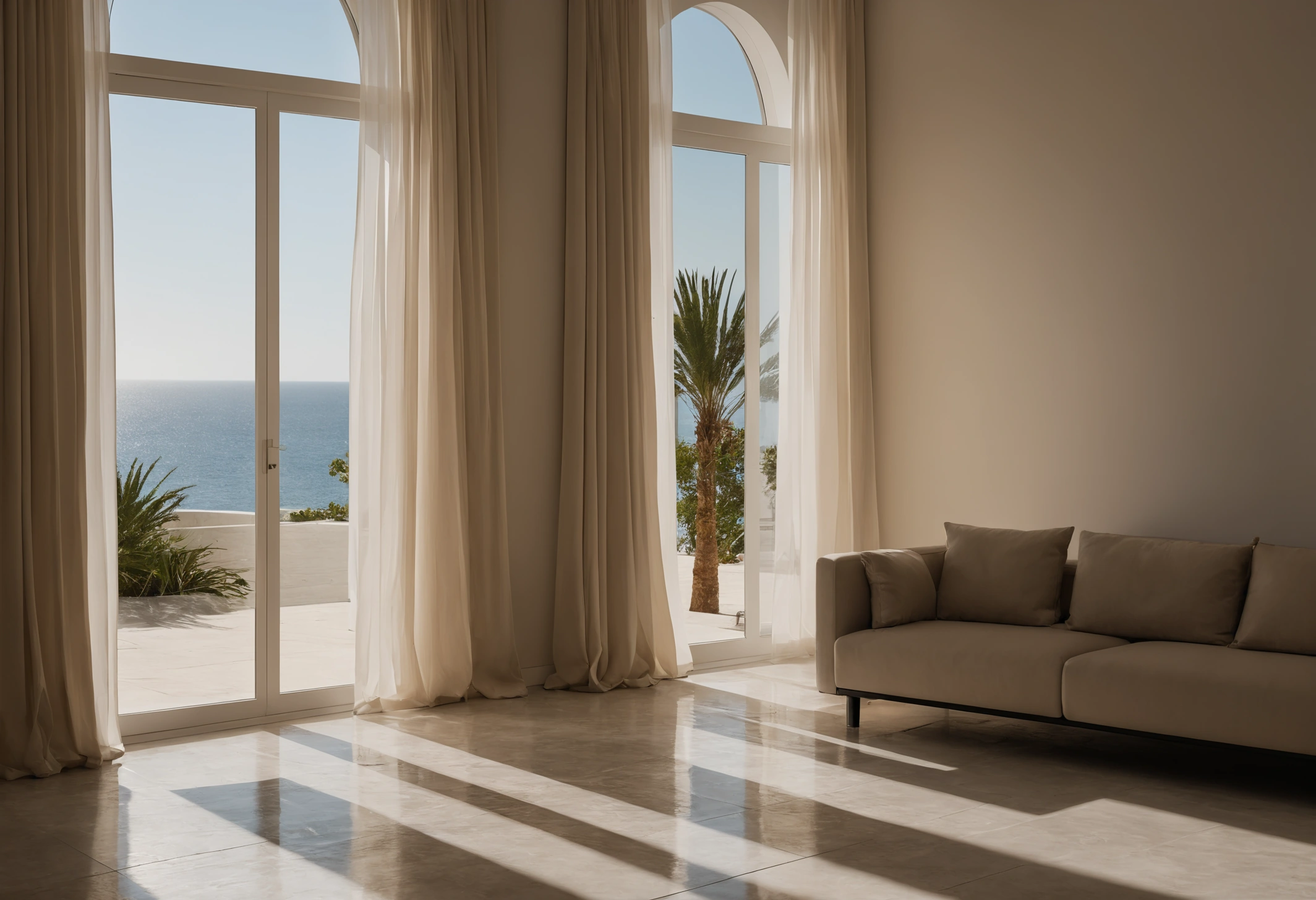
Why glazing and shading decisions need a full summer
Solar heat gain through glass in Dubai varies enormously across the year, and a west-facing living room that is pleasant in January can become unusable between 3 pm and 7 pm in July. Owners who install window treatment during their first cool season frequently specify for appearance and then replace the whole installation after their first summer.
Three observations are worth recording across a first year, ideally with dated photographs:
- Sun patch tracking. Photograph each main room at 9 am, 1 pm and 5 pm in January, April, July and October. The photographs show exactly which floor and furniture positions receive direct sun in each season.
- Surface temperature. Measure the internal glass surface temperature on a July afternoon with an infrared thermometer. Readings well above room air temperature indicate radiant discomfort that curtains alone will not fix.
- Cooling run time. Note how long the air conditioning runs continuously in each room during August. A room whose system never cycles off is undersized or under-shaded.
Fabric choices follow directly from those readings. A pale linen sheer in a west-facing window with high radiant load will fade and will not reduce heat meaningfully, while a solar-control film or an external shading element changes the room’s behaviour before any textile is involved.
Waterproofing and drainage are the works that cannot wait
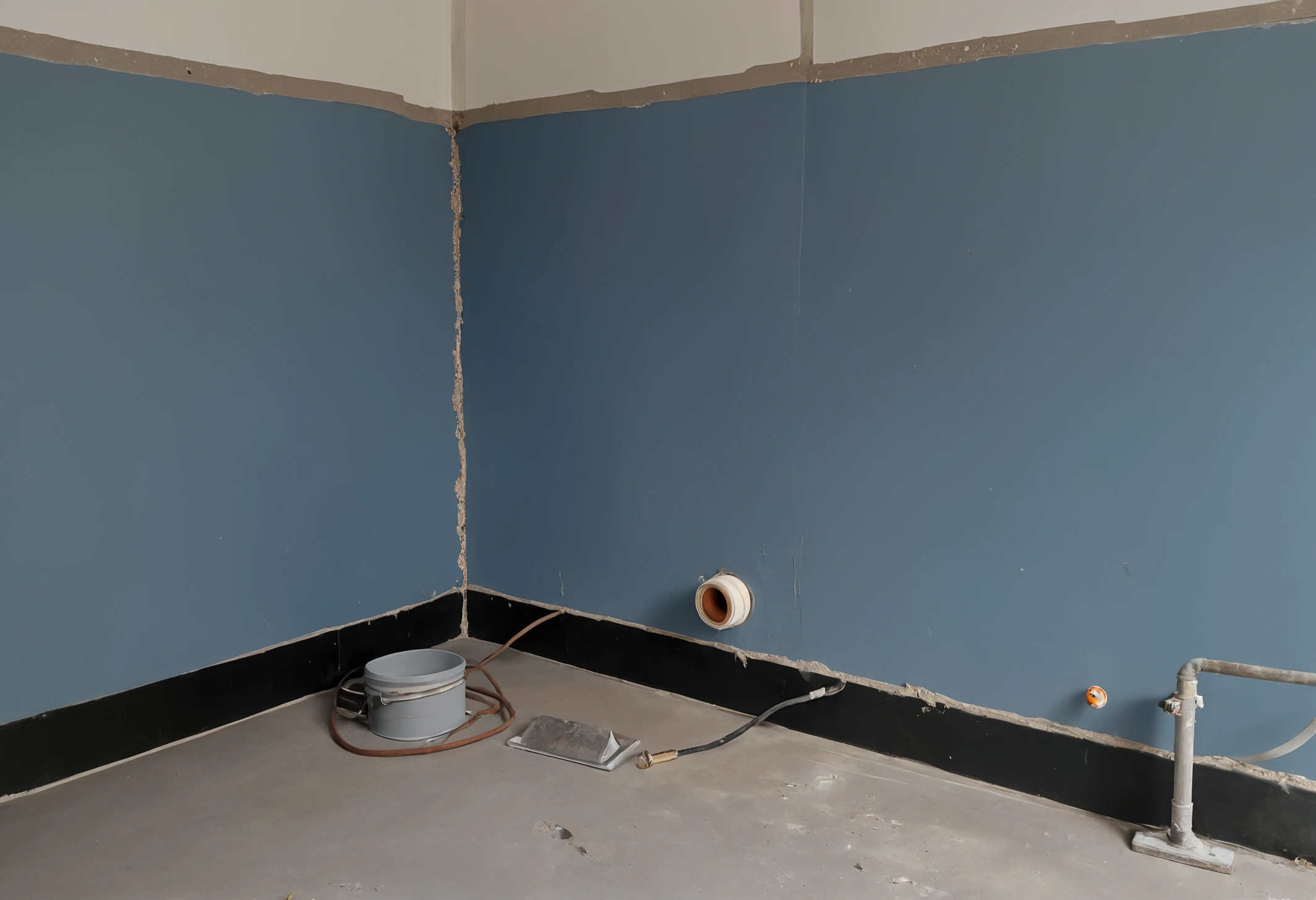
Waterproofing failures in Dubai villas concentrate in three locations: bathroom wet areas, roof terraces, and the junction between an internal floor and an external terrace. Each location is buried under finishes, so a failure discovered after a renovation means removing new work to reach the fault.
Villas of a certain age show a consistent pattern. Bathroom tanking installed to older standards develops failures at the junction between floor and wall, typically appearing as a damp patch on the reverse side of the wall in an adjacent room. Roof terraces show ponding where falls were laid short of the required gradient, which for a tiled external terrace normally means a minimum fall of about 1 in 80 toward the outlet.
Cooling capacity is judged in August, never in March
Air conditioning capacity in a Dubai villa should be assessed during the hottest fortnight of the year, because a system that holds temperature comfortably in March may fail to hold it in August. Owners who resize systems in winter often add capacity where the real problem is distribution, duct leakage or solar gain.
- Capacity problem
- The system runs continuously and internal temperature still rises through the afternoon. Adding capacity helps.
- Distribution problem
- One room stays warm while another is cold. Balancing dampers, duct sizing or diffuser position is at fault, and additional capacity makes the imbalance worse.
- Gain problem
- The room only overheats when sun is on the glass. Shading or glazing treatment fixes the cause; more cooling treats the symptom at permanent running cost.
Utility supply matters here too. Electricity and water connections in Dubai run through DEWA, and any change to installed cooling load should be checked against the connected capacity of the villa rather than assumed to be available.
Furniture is the reversible category, which changes how it should be bought
Furniture carries no structural risk, requires no approval and can be sold, which places it firmly in the reversible category. That freedom argues for buying furniture early enough to live comfortably and slowly enough to buy correctly, rather than committing the whole budget in the first month alongside irreversible works.
A practical approach buys sleeping, eating and working pieces immediately, then adds seating, rugs and lighting after the household has used the rooms through at least one hot season. Owners working with a studio on interior design for a Dubai villa normally set the layout and the specification early, then release orders in stages so that long-lead pieces are produced while the house is still being prepared.
Fabric performance is the one furniture variable that a first summer genuinely tests. Upholstery positioned in direct sun through unshaded glazing shows visible change far faster than the same fabric in a shaded position. Buyers selecting Italian furniture for a Dubai home should place sample swatches in the actual rooms for several weeks before confirming a production order, because a swatch tested in situ answers a question that a showroom cannot.
Garden and outdoor decisions need the cool season to be understood
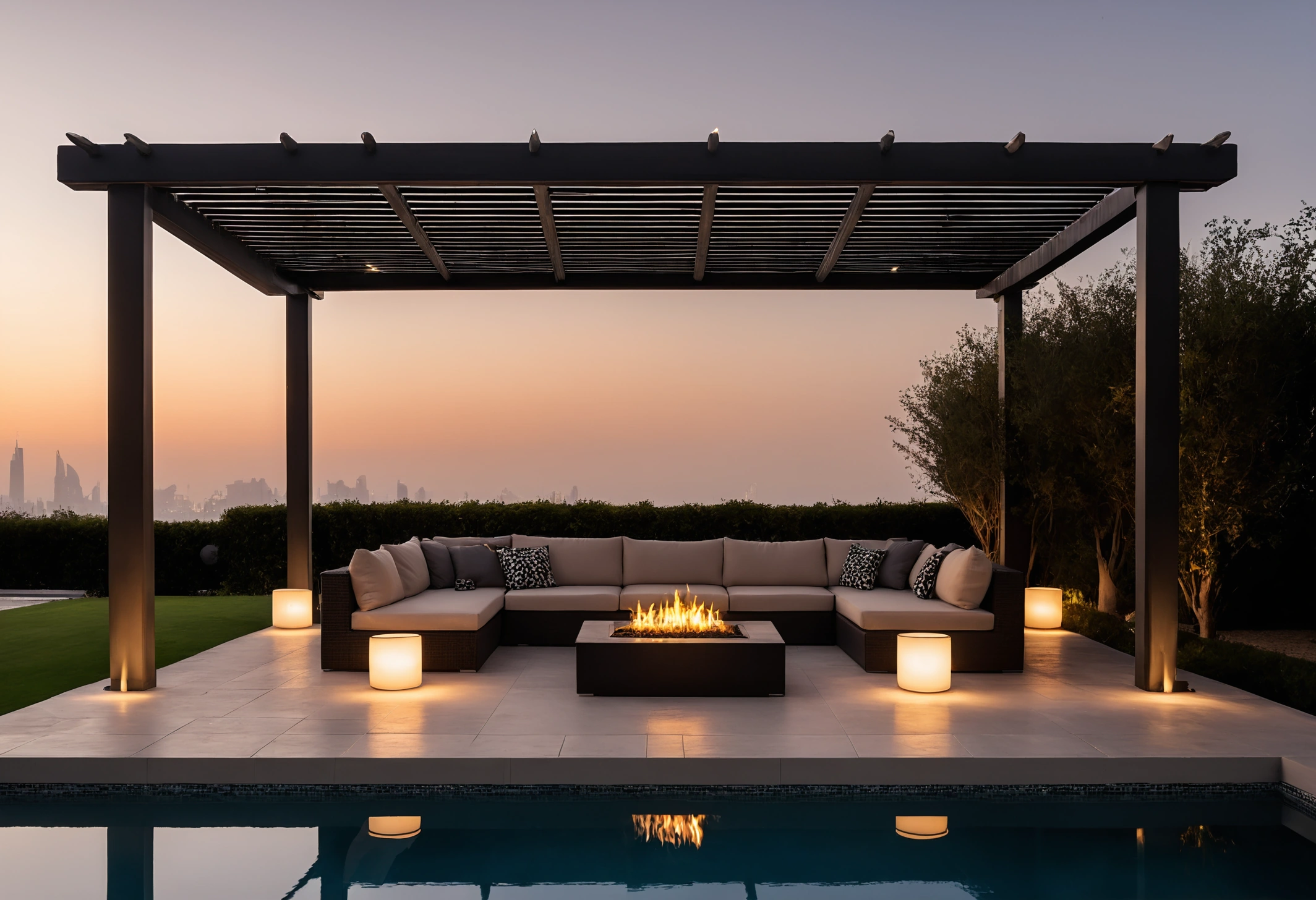
Outdoor space in Dubai is used intensively between roughly November and March and lightly for the rest of the year. A garden designed during the hot months tends to be under-furnished for the season when it matters, while a garden designed in February tends to ignore the shading and irrigation demands of the summer that follows.
Two measurements make outdoor decisions concrete. The first is usable shaded area at 4 pm in October, which predicts how much of the terrace will actually be occupied during the entertaining season. The second is surface temperature of paving at 2 pm in July, where dark stone can reach temperatures that make barefoot use impossible while pale limestone stays substantially cooler.
The market reason for patience
Dubai’s property market gives owners a specific reason to avoid rushed, idiosyncratic changes. The Dubai Land Department recorded 226,000 transactions worth AED 761 billion during 2024, with 110,000 new investors entering that year. Deep, fast-moving markets reward properties that read as broadly desirable and punish properties shaped around one owner’s habits.
Changes that improve any household’s experience, including waterproofing, cooling performance, storage and shading, hold their value across that buyer pool. Changes that encode one household’s preferences, such as removing bedrooms or building highly specific rooms, narrow the pool at resale.
A first-year sequence that holds up
The sequence that works in Dubai runs in a fixed order: fix what is buried, observe what is seasonal, and buy what is reversible at a pace that matches production lead times. Owners who follow that order spend their renovation budget once. Owners who begin with visible finishes usually spend it twice, because the buried problems surface later and take the new finishes with them.
A year is a long time to live with a house that is not yet finished. A year is a short time compared with the cost of stripping a newly tiled bathroom to reach a membrane that was never photographed.