
Which route through the living room must stay clear before the sofa is chosen: front door to hall, kitchen to patio, stairs to seating, or all three? Awkward rooms work best when circulation is the first constraint, then sofas, chairs, rugs, consoles, and lighting support that route.
Start living room furniture ideas by drawing the main traffic path before choosing a sofa
A living room with several doorways works best when the busiest walking route is drawn before furniture is selected. Protect the route that connects the entry, kitchen, hall, patio, or stairs, then place seating outside it whenever possible.
Which doorway-to-doorway route is the primary path in a pass-through living room?
The primary path is the route people use without thinking. In a small room, that may be the front door to the hallway. In a larger room, it may run from the kitchen to the patio while secondary paths serve a bookcase, window seat, or side chair.
- Mark every opening first. Include doors, cased openings, stair landings, patio doors, and wide entries.
- Rank routes by frequency. Daily routes outrank occasional access to a cabinet, plant, or window.
- Keep the main route visually obvious. A straight floor line feels calmer than a path that bends around furniture.
- Use secondary paths for flexible pieces. Accent chairs, nesting tables, and floor lamps move more easily than a sofa.
The U.S. Access Board accessible-route guide treats connected circulation as a legal concept for ADA-covered buildings. Private living rooms are different, but the principle is useful: important destinations should connect without obstacles.
When should the sofa face the path, sit beside the path, or turn away from the path?
The sofa should face the path when arrivals are part of the room’s social life. It should sit beside the path when the room is mainly for TV or conversation and people need to pass along one side. It can turn away from the path when the walkway is only a connector and the seating group needs privacy.
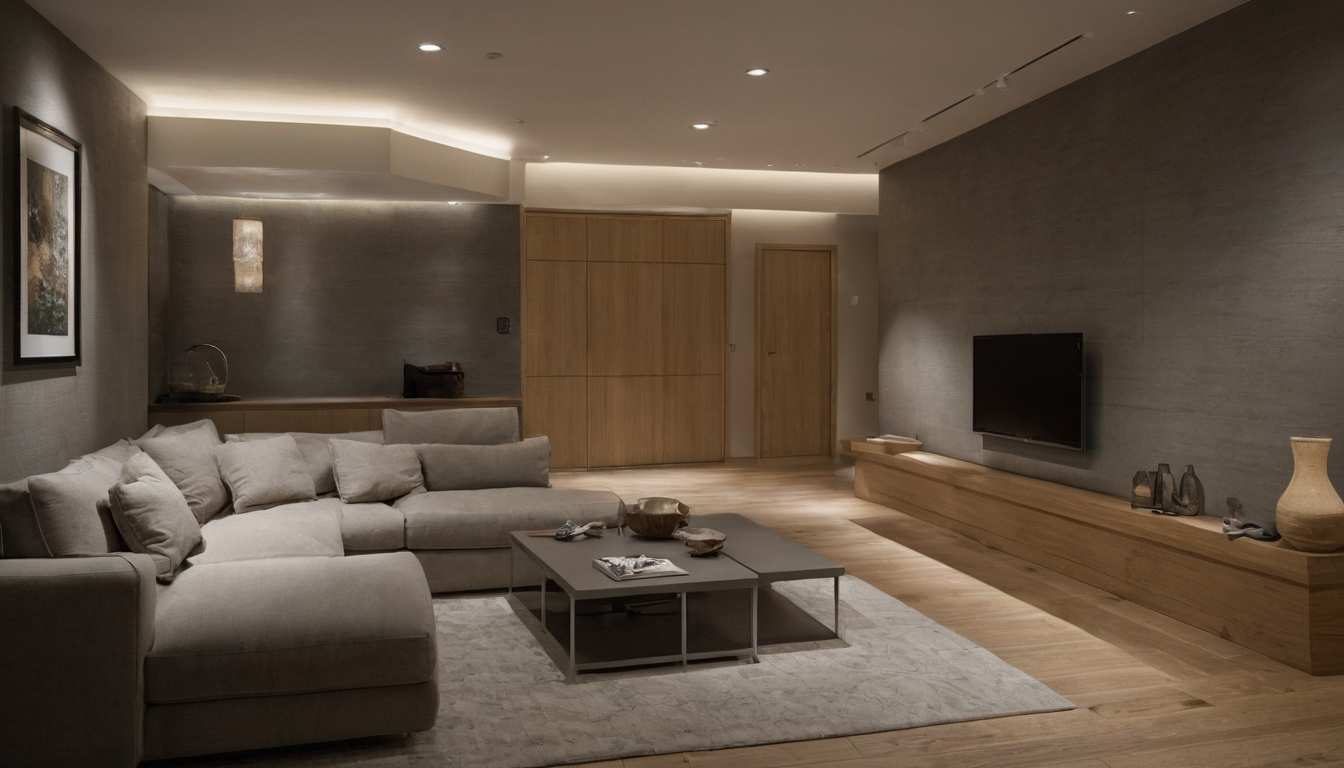
Start living room furniture ideas by drawing the main traffic path before choosing a sofa shown with finish, fixture, and clearance relationships visible.
Reserve the walking band before testing sofa sizes. Tight rooms often need roughly a 30 inch clear route, while busy shared routes usually feel better closer to 36 inches or more.
Use clearance rules to decide whether a living room walkway is comfortable or cramped
A living room walkway feels comfortable when through-routes, seating access, table reach, door swings, and accessibility needs are measured as different conditions rather than one generic gap.
What walkway widths should be shown in a living room furniture clearance table?
Label each gap by purpose. A sofa-to-coffee-table reach zone can be tighter than a route from a hall to a patio door.
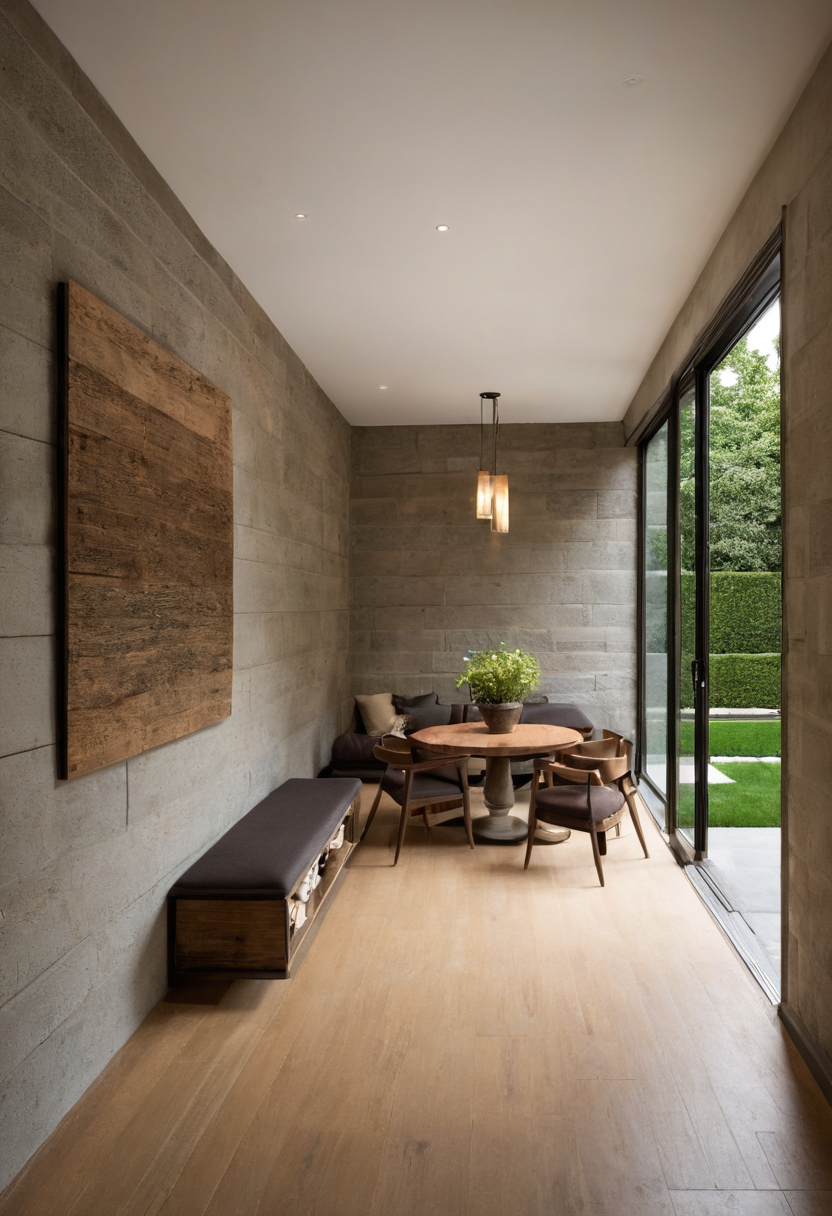
Use clearance rules to decide whether a living room walkway is comfortable or cramped shown with floor, wall, and fixture relationships visible.
| Clearance condition | Practical target | Use before buying |
|---|---|---|
| Main through-walkway | 36 to 42 in | Use between doorways, stairs, kitchen openings, and patio doors. |
| Secondary access beside seating | 24 to 30 in | Use beside an armchair, end table, or console. |
| Sofa to coffee table | 16 to 18 in | Use for reach and leg movement, not as a main walkway. |
| Behind dining-style chairs | 36 in minimum, 42 to 48 in preferred | Use where a game, desk, or dining chair backs into the route. |
| Wheelchair positioning reference | 30 by 48 in clear floor space | The 2010 ADA Standards use this clear floor or ground space in accessible design. |
| Wheelchair turning reference | 67 in diameter | Shirley Ryan AbilityLab recommends this turning diameter for wheelchair-accessible home planning. |
Accessibility references need the right scope. The 1991 ADA Standards page identifies historical standards superseded by the 2010 ADA Standards. A private living room is not usually a public-access space, but these dimensions help when a household member uses a wheelchair, walker, or mobility aid.
Where do door swings create hidden conflicts with sofas, chairs, consoles, and rugs?
Door conflicts appear when the plan shows a closed door but not the swing arc. Many interior doors are roughly 28 to 32 inches wide, and many exterior entry doors are about 36 inches wide, so a hinged door can claim floor area as deep as the slab itself.
Mark the full door arc with painter’s tape before ordering. If the tape crosses the sofa arm, chair back, console corner, lamp base, bench, or rug binding, the layout is not finished. A reversed swing, pocket door, or sliding door can release floor area, but each option has wall, trim, electrical, privacy, and installation constraints. In rooms where the door is the circulation problem, interior sliding doors may solve more than a smaller sofa.
Choose furniture depths that fit the walkway instead of forcing the walkway around oversized pieces
Furniture depth often matters more than style in a living room crossed by doorways. Subtract the walking route first, then shop only for sofas, chairs, tables, and consoles that fit the remaining furniture zone.
What sofa depth works in a living room crossed by a doorway route?
Sofa depth controls how much room remains between the seating group and the route. Apartment sofas often sit around 32 to 36 inches deep, many standard sofas land near 36 to 40 inches, and deep lounge sofas or sectionals can pass 40 inches before pillows, recline space, or chaise projections are considered.
- Low risk: an apartment sofa, tight-back sofa, loveseat, or slim track-arm sofa along a protected walkway.
- Moderate risk: a standard sofa with loose back cushions if the coffee table creeps into the path.
- High risk: a deep sofa, chaise sectional, or recliner sofa where a door-to-door route cuts across the seating area.
- Layout warning: avoid a sectional if the chaise blocks the natural turn from one doorway to another.
Tape the sofa footprint on the floor, including arms and chaise returns. If the walkway bends around the shape instead of passing cleanly beside it, the sofa is too deep.
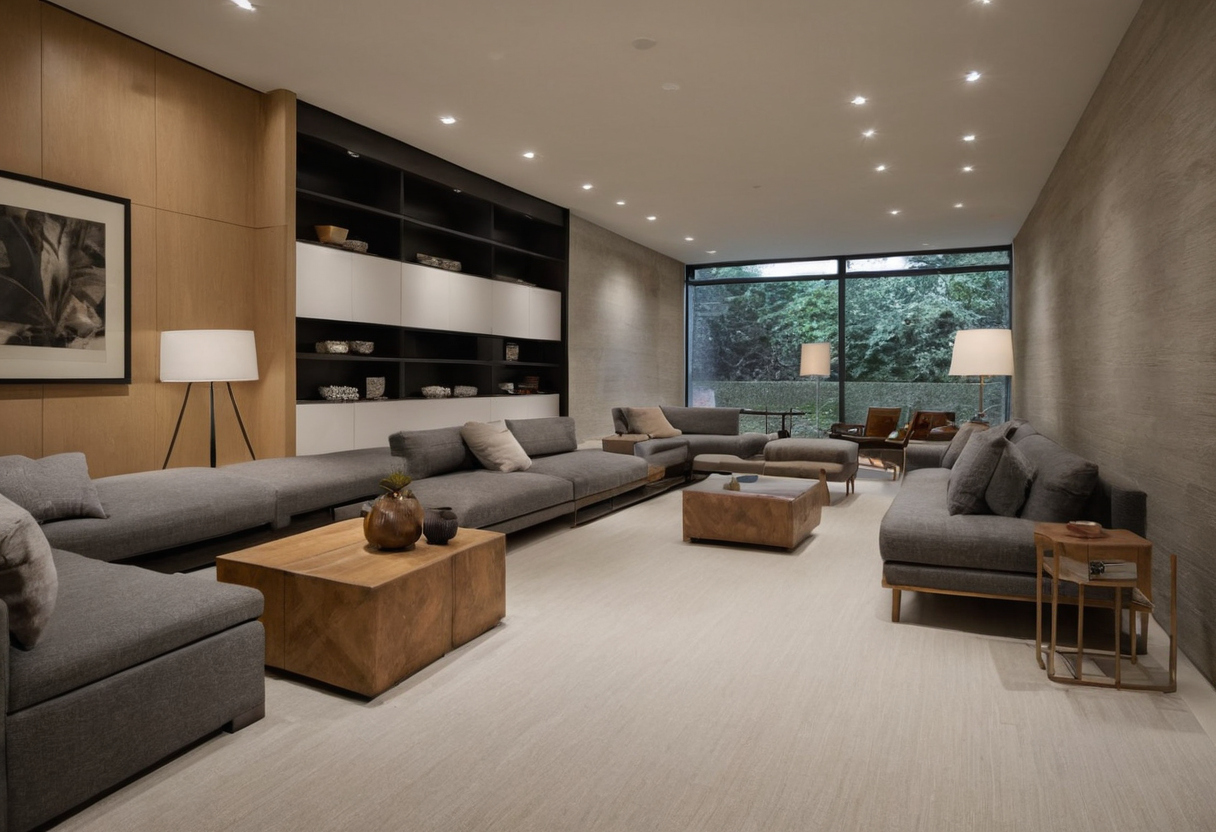
Choose furniture depths that fit the walkway instead of forcing the walkway around oversized pieces shown as an editorial reference for proportion and finish coordination.
Which chairs, ottomans, and coffee tables preserve movement in tight living rooms?
Secondary furniture should add use without creating new corners to dodge. Accent chairs commonly range from about 28 to 34 inches wide and 30 to 36 inches deep, while lounge chairs and recliners need more depth.
- Choose armless or low-arm chairs where people need to turn near the chair.
- Use a round or oval coffee table where circulation cuts diagonally through the seating group.
- Consider nesting tables instead of one fixed side table.
- Keep consoles shallow along walkways. Narrow pieces around 10 to 14 inches deep are often easier than full-depth cabinets.
Rugs need the same discipline. A rug that crosses the main path should sit flat, avoid curled edges, and not make the route look like leftover space.
Arrange a front-door living room so the entry path is visible, protected, and not treated as leftover space
When the front door opens directly into a living room, design the entry path as a controlled strip rather than an accidental gap. Furniture can form a soft boundary, but the route from the door to the next destination must remain obvious.
How can furniture divide an entryway from a living room without building a wall?
A middle-of-wall front door needs a visible lane across the room, often from the door to a hallway, stair, kitchen opening, or second doorway. Place the sofa beside that lane rather than across it. A narrow console behind the sofa, an open bookcase perpendicular to the wall, or a low cabinet can create a boundary while keeping sightlines open. Keep entry consoles around 10 to 14 inches deep, benches around 12 to 18 inches deep, and shoe cabinets shallow enough for the door swing and route.
A corner front door usually works better with an L-shaped entry pocket. Put a bench, hooks, or slim shoe cabinet on the short wall near the door, then let the main seating group begin after the walking strip.
When is a sliding door or pocket door a better circulation fix than new furniture?
A sliding or pocket door is worth pricing when a hinged door cuts through the only workable sofa wall, clips a console, or forces the walkway to bend around the swing arc.
Before specifying sliding or pocket doors, check the wall condition. Pocket doors need a clear wall cavity, which may be blocked by studs, wiring, plumbing, ductwork, insulation, or structural framing. Surface-mounted sliding doors need wall space beside the opening, plus trim and handle clearance. Hardware, labor, wall repair, paint, and lead time can outweigh the cost of a new console.
Use rugs, consoles, and lighting to mark zones only after the walking route is solved
Rugs, consoles, floor lamps, and side tables should clarify zones only after circulation is fixed. Decorative pieces should mark seating, entry, and media areas without narrowing the protected walkway.
Should a living room rug cross a walkway or stop before the traffic path?
A living room rug should usually stop before the primary door-to-door path unless the rug can lie completely flat, stay under furniture, and avoid a raised edge where people turn. The rug is a zoning tool, not a cover for a circulation problem.
Common living room rug sizes include 5 by 8 feet for a compact chair group, 6 by 9 feet for a small sofa and coffee table, 8 by 10 feet for the front legs of a sofa and chairs, and 9 by 12 feet for larger seating groups. In a pass-through room, choose the rug by the seating island first, then check whether the long edge lands outside the walkway. Readers working on decorating a large living space can use the same rule at a larger scale: one rug per functional zone.
Which sitting room decor ideas add function without blocking the path?
The best sitting room decor ideas for awkward traffic paths are shallow, fixed, or movable pieces that support use without projecting into the route. A slim console behind a sofa often works at 10 to 16 inches deep if the remaining walkway still feels generous. A narrow wall shelf, picture ledge, or wall-mounted cabinet is better than a bulky freestanding bookcase beside a doorway.
- Use wall lights where floor lamps crowd the path. Plug-in sconces need cord planning, while hardwired sconces need electrical work.
- Keep floor lamp bases out of turning points. The cord should reach an outlet without crossing a walkway.
- Choose nesting tables instead of permanent side tables. They can move for guests and return to a compact footprint.
- Use storage benches only where sitting does not block a door swing.
LED lamps, sconces, and picture lights can reduce energy demand compared with older incandescent bulbs. ENERGY STAR states that qualified LED lighting uses at least 75 percent less energy and lasts up to 25 times longer than incandescent lighting.
Check the living room furniture plan with a simple ordering workflow before buying anything
A living room furniture plan should be checked in sequence before orders are placed: measure the room, draw door swings, reserve circulation, place the largest seating piece, test secondary furniture, then confirm delivery access.
What should be measured before ordering living room furniture for an awkward room?
The measuring pass should cover both the living room and the route the furniture must travel. Record room width, room length, ceiling height, window sill height, radiator or vent positions, outlet locations, doorway width, door swing direction, stair turns, elevator cab size, hallway pinch points, and the distance from the entry door to the final furniture position.
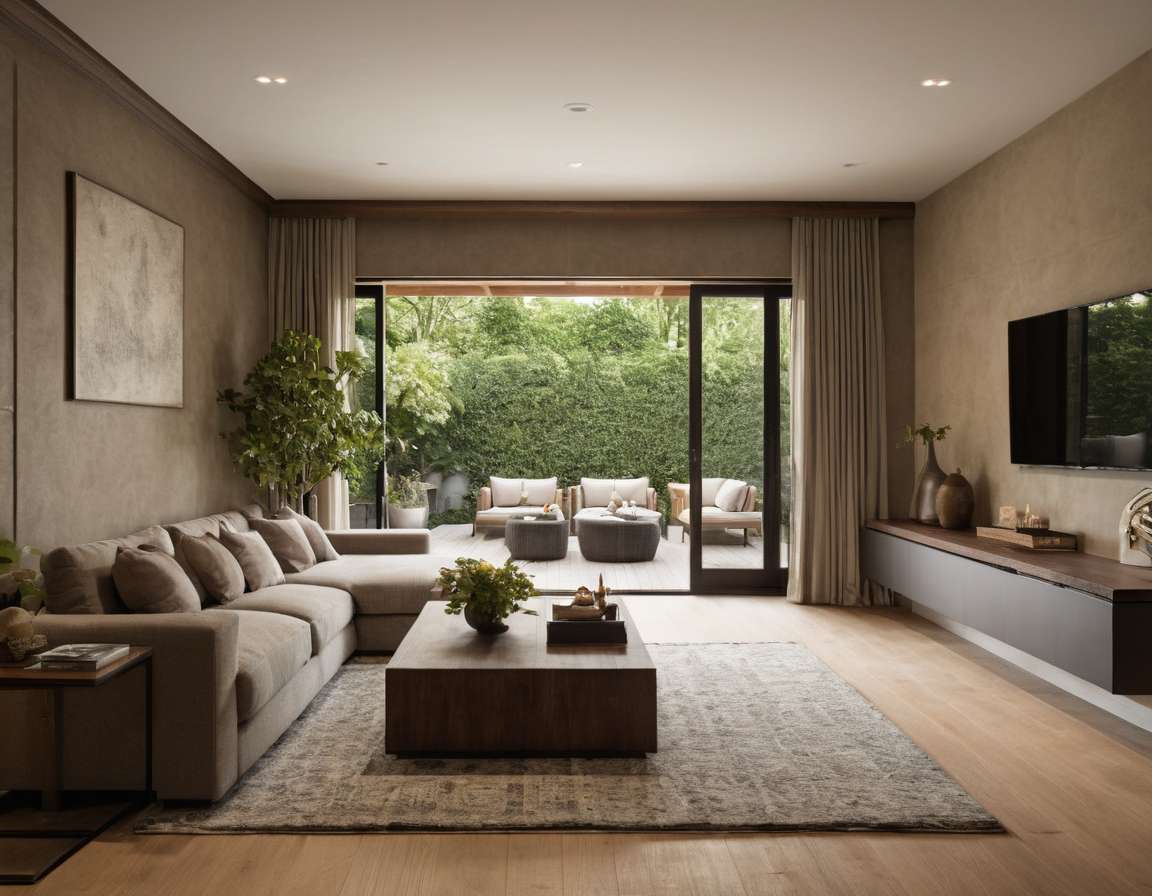
Check the living room furniture plan with a simple ordering workflow before buying anything shown with floor, wall, and fixture relationships visible.
- Draw the room perimeter and mark every doorway, closet, fireplace, built-in, window, and traffic route.
- Add door swing arcs before placing sofas, chairs, consoles, or rugs.
- Place the largest seating piece first, then test coffee table, side table, and lamp positions.
- Photograph each doorway, stair turn, elevator, and hallway corner before speaking with a retailer, designer, or upholsterer.
- Confirm packaging size, not only finished furniture size, before delivery is scheduled.
Wheelchair-accessible planning needs a separate measurement pass. Shirley Ryan AbilityLab advises measuring the actual wheelchair because sizes vary, and power or reclining models may need different allowances than standard-size chairs.
When should a custom sofa, modular sectional, or built-in console be considered?
Custom or modular furniture becomes sensible when standard pieces force the walkway to bend, block a door swing, or leave an unusable sliver behind the sofa. A shallower sofa, one-arm chaise, armless modular seat, clipped-corner sectional, or built-in console can solve a circulation problem that a larger store display piece would make permanent.
Procurement risk should guide the decision. Stock furniture is usually easiest to return, but dimensions may be less flexible. Made-to-order furniture may offer fabric, leg, cushion, or configuration choices, but return limits and lead times can be stricter. Fully custom work can solve depth, length, and corner problems, but the buyer is often responsible for site measurements and approval drawings.
Before payment, ask for written confirmation of finished dimensions, delivery access requirements, cancellation rules, restocking fees, warranty coverage, and responsibility if the piece cannot enter the room. For larger purchases, treat the sofa, console, and rug like residential FF&E specifications, not impulse decor.
FAQ
How do you place furniture in an awkward living room with several doorways?
Draw every doorway first, rank the routes by daily use, then place the sofa outside the primary route. Use chairs, nesting tables, and shallow consoles for secondary zones because they adapt more easily than the main sofa.
How wide should a walkway be in a living room?
A main through-walkway is usually most comfortable around 36 to 42 inches. Occasional access beside seating can often work at 24 to 30 inches, while the sofa-to-coffee-table gap is a reach zone and often works around 16 to 18 inches.
What should you do when the front door opens into the middle of the living room?
Treat the entry as a designed strip. Keep a clear lane from the door to the next destination, place the sofa beside that lane, and use a shallow console, bench, hooks, mat, or low cabinet to define the entry.
Does the 60-30-10 rule matter if the living room layout has traffic problems?
Color rules cannot fix a blocked route. Circulation, door swings, furniture depth, rug edges, and cord paths should be solved before decorative color ratios drive the plan.
What is the 2/3 rule for a living room sofa or rug, and when should traffic clearance override it?
The 2/3 rule often suggests that a sofa or rug should relate proportionally to the wall, seating group, or table it serves. In awkward rooms, traffic clearance overrides that rule whenever the ideal proportion blocks a doorway route, door swing, or turning area.